
Cetaceans in Captivity: The Marineland Beluga Whale Crisis
By Kaitlin Pal and Ashoke Mohanraj
It’s almost impossible to look at a beluga whale and not feel a spark of wonder. They’re beautiful, gentle, a little goofy, and unbelievably cute. Chances are, when you were younger, you probably had a whale or dolphin plushie you carried everywhere. Who doesn’t love a soft, squishy beluga?
Maybe a visit to Marineland even sparked your love for belugas, dolphins, and other cetaceans. But today, the future of the 30 beluga whales still living at Marineland is uncertain and their story shows why protecting cetaceans in captivity matters now more than ever.
THE END OF CETACEANS IN CAPTIVITY
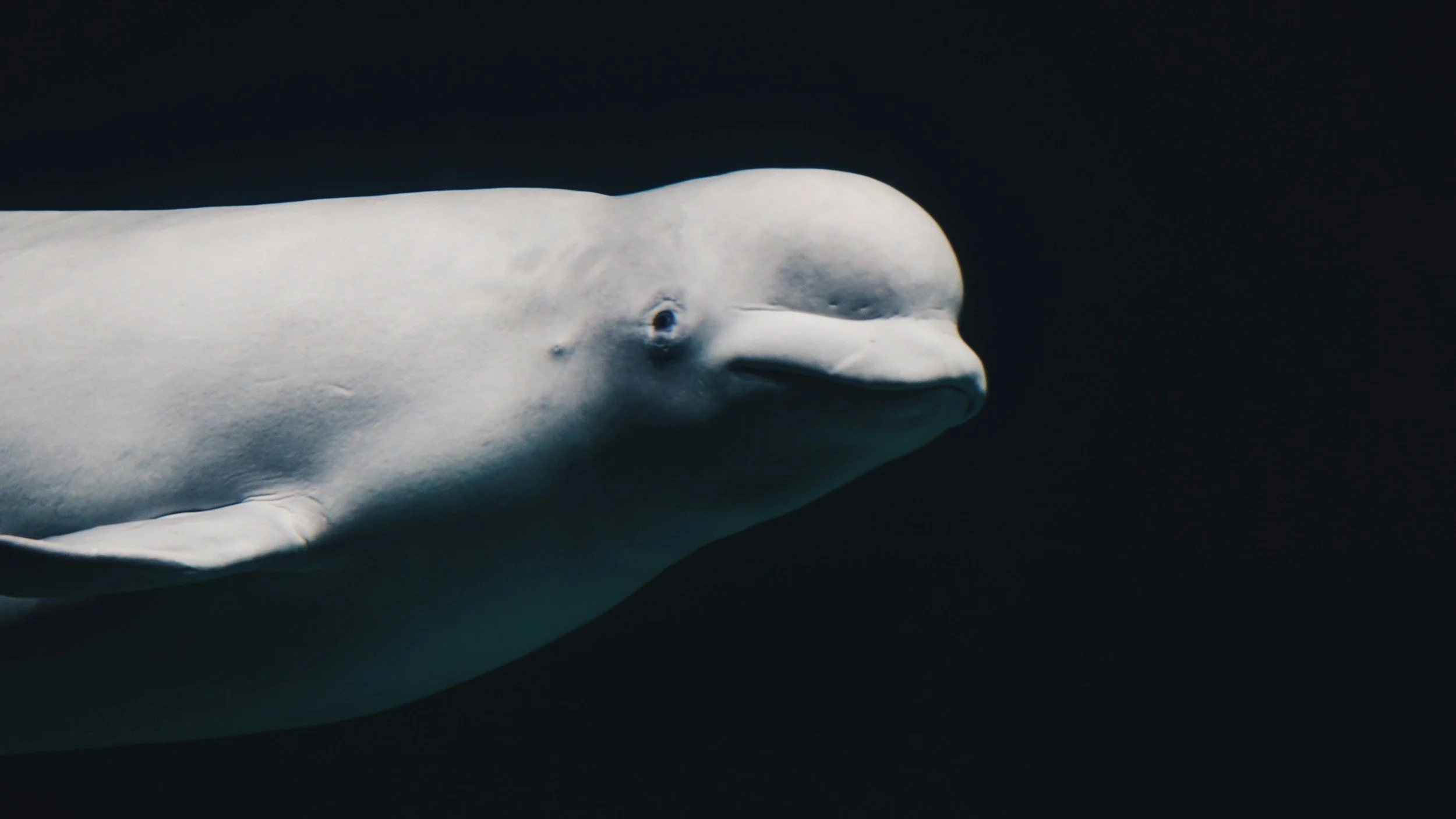
Marineland was once a zoo and amusement park where dolphins and belugas performed for crowds. But over time, serious concerns grew around keeping large, intelligent animals in small concrete pools. Experts questioned whether it was safe, ethical, or even fiscally responsible for these whales to live in captivity.
In response to national pressure and growing awareness, Canada passed the Ending the Captivity of Whales and Dolphins Act (Bill S-203) in 2019. This law makes it illegal to capture, breed, or import cetaceans for entertainment.
It means no new whales will ever be added to places like Marineland, marking a major step forward for animal welfare in Canada.
But it also creates a new responsibility...What happens to the whales who are already there?
THE BELUGA RETIREMENT PLAN
Most of Marineland’s belugas were born in captivity or captured from the wild decades ago. They’ve spent their entire lives in small concrete tanks that simply can’t meet their physical, emotional, or social needs.
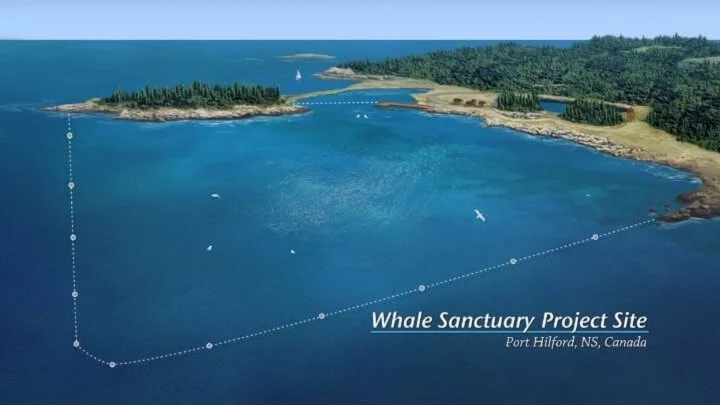
That’s why scientists and animal-welfare organizations are working toward better solutions. One of the most promising is the sanctuary being created by the Whale Sanctuary Project in Port Hilford Bay, Nova Scotia—a natural, protected ocean environment where formerly captive whales can swim, explore, and live more like whales again.
It’s not a release into the wild, but it’s the closest, safest, and most humane alternative we can give them.
TIME IS OF THE ESSENCE
Marineland has stated publicly that if they cannot find relocation options, they may send belugas overseas to places with fewer protections or, if no option exists, they may euthanize them.
Scientists, lawyers, animal-advocacy groups, and families across Canada are urging immediate action to protect the whales. The first and most important step is an independent health assessment of all 30 belugas. Without this, no safe relocation plan can even begin.
Right now, organizations like Animal Justice are asking the public to call Ontario Premier Doug Ford’s office and urge the Ontario government to intervene so these whales aren’t lost.
AN OPPORTUNITY TO SPARK GLOBAL CHANGE
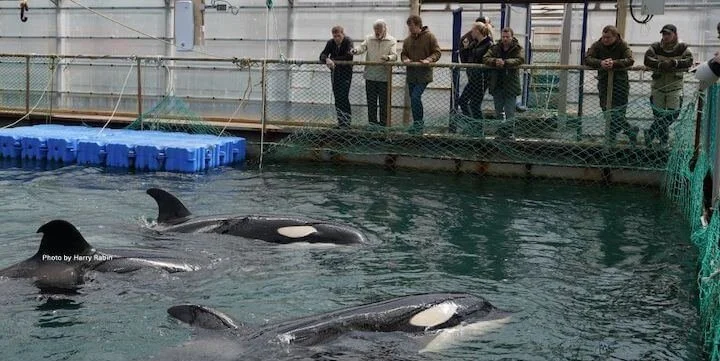
Around the world, more than 3,500 cetaceans live in captivity. Ending this industry and building sanctuaries isn’t something one group or even one country can do alone.
It takes global teamwork; scientists, non-profits, governments, communities, and yes—even kids and families who care.
Sanctuaries are becoming possible because so many people are raising their voices. It’s a powerful reminder that when we work together, we can protect even the largest animals on Earth.
CALL TO ACTION!
Kids love belugas, and right now, belugas need kids. Learning about their story teaches young people empathy, responsibility, and the importance of speaking up for animals who cannot speak for themselves.
Families who want to help can:
Support the Whale Sanctuary Project, which is working to give cetaceans a more natural home
**** Please note that The Whale Sanctuary Project is designated by the US Internal Revenue Service as a tax-deductible 501(c)(3) charity in the United States. While they accept donations from all countries, contributions are only tax-deductible for donors who file taxes within the United States
Stay informed about the situation at Marineland
Raise their voices by supporting groups urging the Ontario government to act
Share the belugas’ story, because caring is cool—and it truly makes a difference
The 30 belugas at Marineland remind us that whales have feelings, families, and futures that matter. Together, parents, kids, and whole communities can help build a world where whales and dolphins live safely and freely, as close to their natural ocean home as possible.