
A Big Win for Dolphins - Why Mexico’s New Law Matters for Kids, Families, and the Ocean
By: Kaitlin Pal
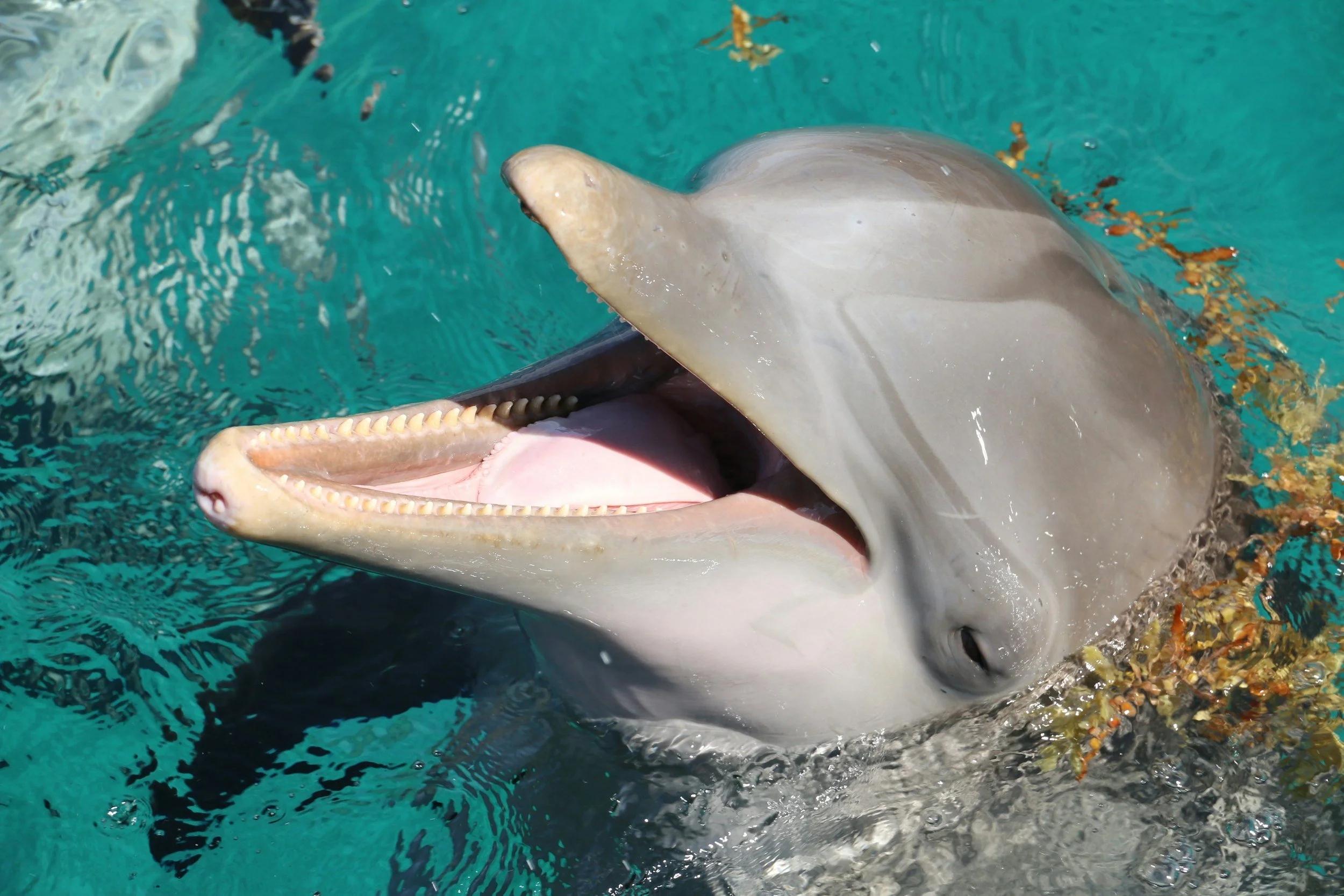
Dolphin lovers around the world have something to celebrate. In late June 2025, Mexico took a major step forward for animal protection by reforming its General Wildlife Law. The new law bans dolphin shows, dolphin therapy programs, breeding dolphins in captivity, and other forms of marine mammal entertainment that are not tied to conservation or rescue.
This is a huge win for dolphins and an important teaching moment for families everywhere.
Dolphins are incredibly intelligent, social, and active animals. In the wild, they travel long distances every day, communicate constantly with their pod, and explore the ocean together. These natural behaviours are essential to their well-being. When dolphins are kept in small tanks for performances or tourist attractions, they don’t have the space or freedom they need to thrive. Over time, this can lead to stress, boredom, and serious health problems.
For years, scientists and animal welfare experts have raised concerns about keeping dolphins in captivity for entertainment. Mexico listened. By updating its wildlife protection laws, the country has made it illegal to use dolphins, whales, and other marine mammals for shows, tricks, or performances. Under the new law, dolphins can only be kept for legitimate conservation, rescue, or scientific purposes; not to entertain crowds.
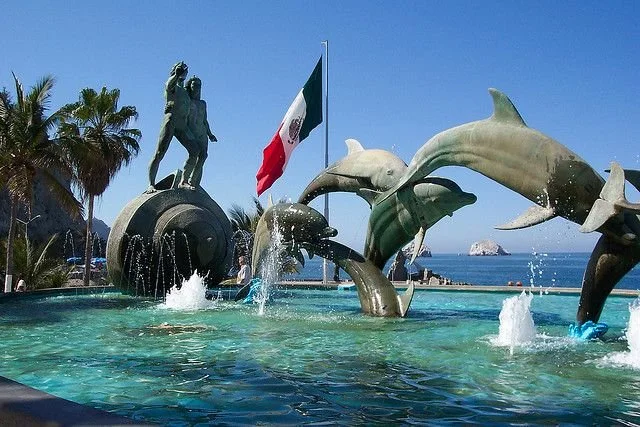
Parents often ask an important question: What happens to the dolphins who are already in captivity? The law addresses this too. Dolphins currently living in dolphinariums will no longer be forced to perform, and many are expected to be moved to seaside sanctuaries. These protected ocean spaces allow dolphins to swim more naturally and live calmer, healthier lives while still receiving care.
For a long time, dolphin shows were marketed as “educational.” But we now understand that watching animals perform tricks doesn’t teach children how to respect them. True learning comes from understanding how animals live in the wild and why protecting their habitats matters. Families can still admire dolphins — by learning about them, protecting the oceans they call home, and observing them responsibly in nature.
Mexico’s decision is already inspiring conversations around the world about how we treat animals in captivity. It’s a powerful reminder for kids and adults alike: animals are not toys or performers. They are living beings who deserve dignity, care, and freedom.
For families who love dolphins, and for all the kids who cheer for Dolphin Dude, this is a moment worth celebrating. It shows that when we choose kindness and listen to science, we can create a future where dolphins belong where they’ve always belonged: in the ocean
Download the less plan here and the activity sheet below!
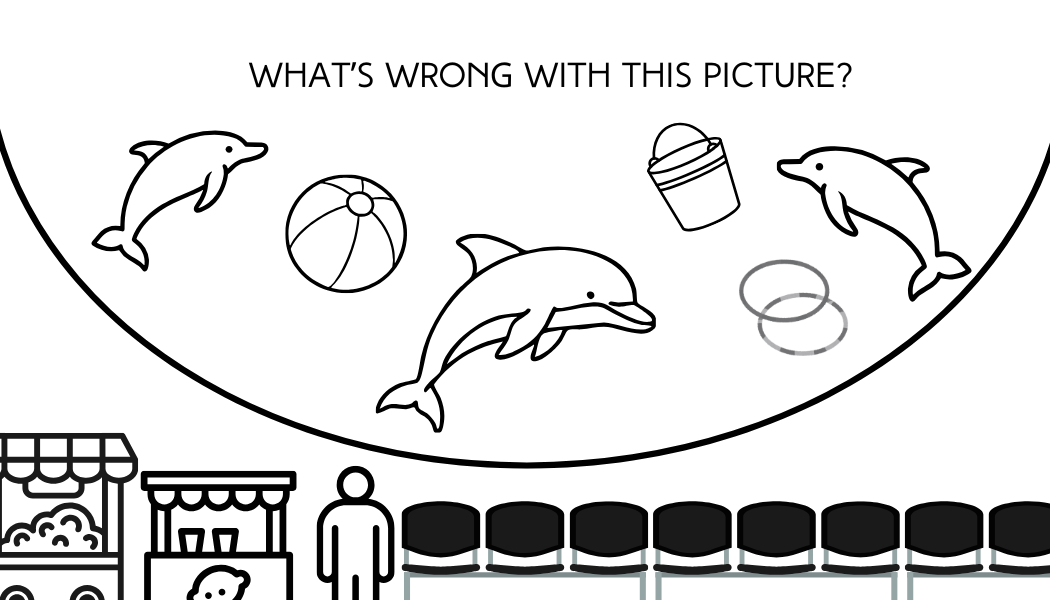
Set the Dolphins Free Activity